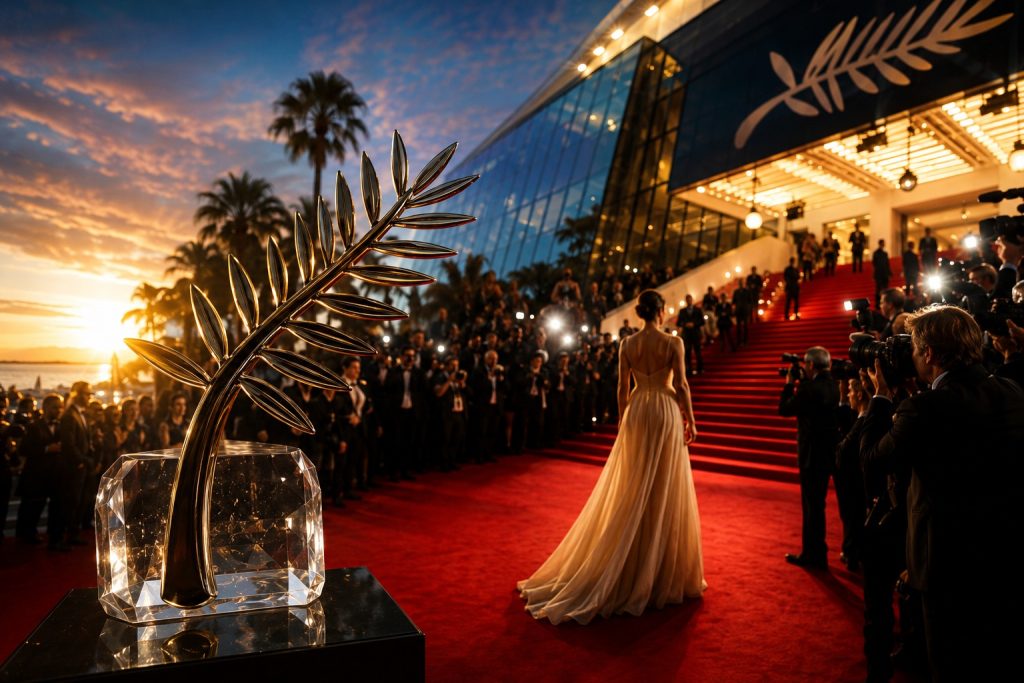
The Cannes Film Festival is more than just a celebration of films—it is a global cultural phenomenon that brings together filmmakers, actors, critics, and cinema lovers from across the world. Held annually in the glamorous city of Cannes, located on the French Riviera in France, the festival represents the pinnacle of cinematic achievement, artistic expression, and international recognition.
Origins and Historical Significance
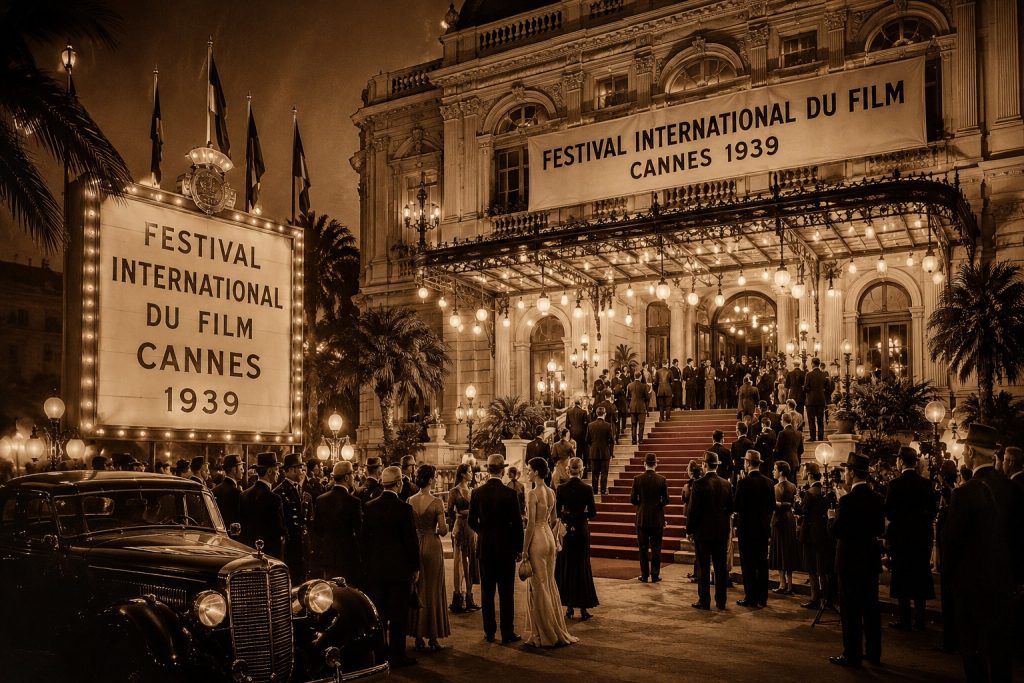
The Cannes Film Festival was first conceived in 1939 as a response to political interference in film festivals of that era, particularly the Venice Film Festival, which had come under fascist influence. Although the inaugural event was delayed due to the outbreak of World War II, the first official festival took place in 1946. Since then, Cannes has evolved into one of the most prestigious and influential film festivals in the world.
Over the decades, Cannes has played a vital role in shaping global cinema. It has introduced audiences to groundbreaking films, supported emerging filmmakers, and provided a platform for artistic voices that might otherwise remain unheard. Winning an award at Cannes is considered a defining moment in a filmmaker’s career.
The Iconic Palme d’Or

At the heart of the festival lies its most coveted award—the Palme d’Or (Golden Palm). This prestigious prize is awarded to the best film in the official competition. Introduced in 1955, the Palme d’Or symbolizes excellence in filmmaking and is often associated with artistic innovation rather than commercial success.
Many legendary directors such as Quentin Tarantino, Martin Scorsese, and Bong Joon-ho have received this honor, further cementing Cannes as a platform that celebrates visionary storytelling.
Sections of the Festival
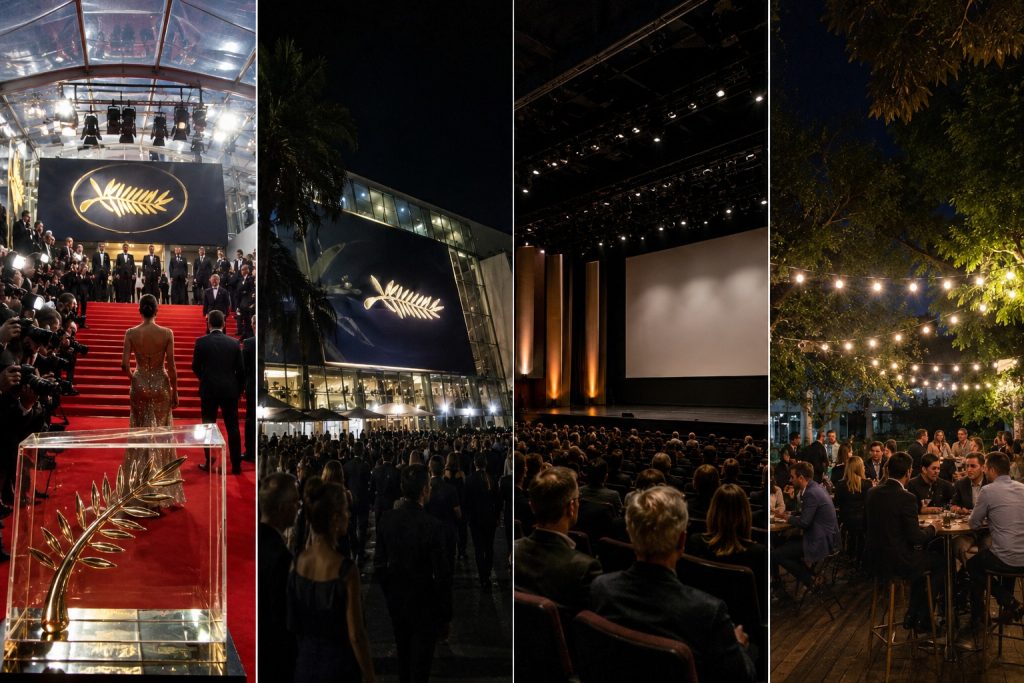
The Cannes Film Festival is divided into several sections, each serving a unique purpose:
Official Competition: This is the main event where films compete for the Palme d’Or.
Un Certain Regard: A section that highlights innovative and unconventional storytelling.
Directors’ Fortnight: Independent of the official selection, it showcases cutting-edge cinema.
Critics’ Week: Focused on first and second films by directors.
These sections ensure that Cannes remains inclusive, giving opportunities to both established filmmakers and fresh talent.
The Red Carpet and Global Glamour

While cinema is the core focus, the Cannes Film Festival is equally famous for its red carpet moments. Celebrities from around the world arrive dressed in haute couture, making Cannes a major event in the fashion calendar as well.
The red carpet at the Palais des Festivals is iconic. Stars like Leonardo DiCaprio, Aishwarya Rai Bachchan, and Brad Pitt have graced the event, turning it into a spectacle that attracts global media attention.
For Indian audiences, Cannes holds special significance as Indian actors, filmmakers, and influencers increasingly represent the country on this global stage.
A Marketplace for Global Cinema
Beyond the glitz and awards, Cannes also hosts the Marché du Film (Film Market), one of the largest film markets in the world. Here, producers, distributors, and buyers come together to buy and sell film rights, making deals that shape the global entertainment industry.
This marketplace is crucial for independent filmmakers who seek international distribution. It ensures that films from diverse cultures reach audiences worldwide.
Impact on Filmmakers and Cinema
Winning or even being selected for Cannes can significantly elevate a film’s status. It often leads to international distribution, critical acclaim, and awards season recognition.
For example, films like Parasite by Bong Joon-ho went on to win both the Palme d’Or and the Academy Award for Best Picture, highlighting the festival’s influence beyond Europe.
Cannes also encourages artistic freedom. Unlike commercial film industries driven by box office numbers, Cannes prioritizes storytelling, creativity, and originality.
Controversies and Criticism
Despite its prestige, the Cannes Film Festival has not been without controversy. Issues such as gender representation, lack of diversity, and strict dress codes have sparked debates over the years.
For instance, the underrepresentation of female directors in the main competition has been widely criticized. However, in recent years, the festival has taken steps to address these concerns by promoting inclusivity and diversity.
Cannes in the Digital Age
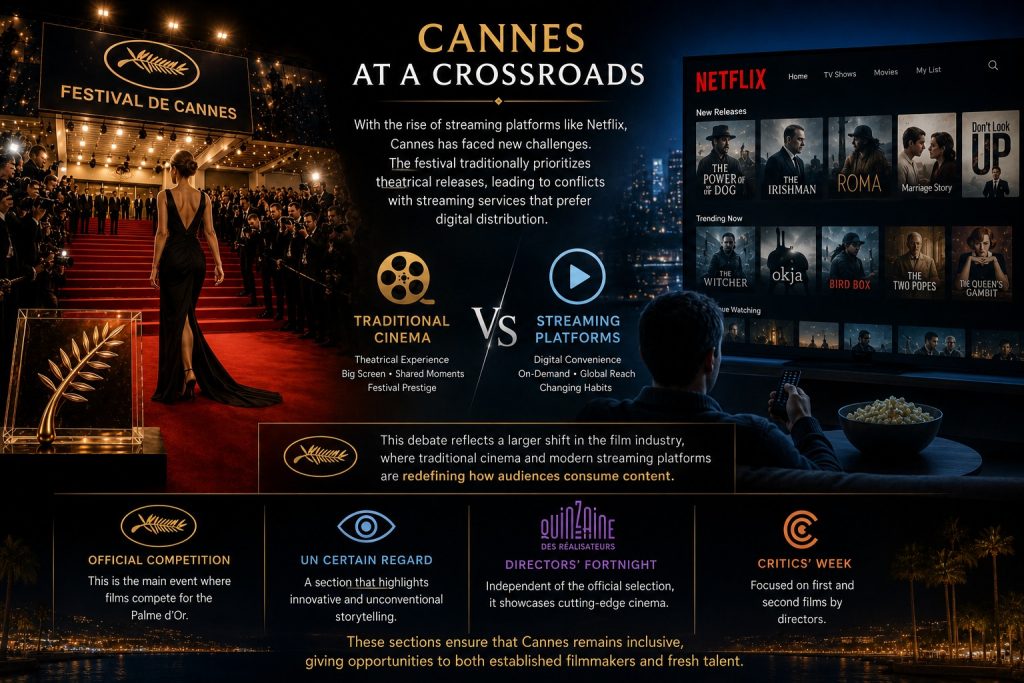
With the rise of streaming platforms like Netflix, Cannes has faced new challenges. The festival traditionally prioritizes theatrical releases, leading to conflicts with streaming services that prefer digital distribution.
This debate reflects a larger shift in the film industry, where traditional cinema and modern streaming platforms are redefining how audiences consume content.
Cultural and Economic Significance
The Cannes Film Festival is not just a cultural event—it is also an economic powerhouse. It attracts thousands of visitors each year, boosting tourism and local businesses in Cannes.
Hotels, restaurants, and luxury brands benefit immensely from the influx of international guests. The festival transforms the city into a global hub of creativity, networking, and celebration.
Why Cannes Still Matters
In an era dominated by fast content and digital media, the Cannes Film Festival continues to stand as a symbol of cinematic excellence. It reminds the world that films are not just entertainment—they are art, culture, and a reflection of society.
Cannes provides a space where storytelling transcends borders, languages, and cultures. It celebrates the power of cinema to inspire, challenge, and connect people.
Conclusion

The Cannes Film Festival remains one of the most important events in the global film calendar. From its rich history and prestigious awards to its glamorous red carpet and influential marketplace, Cannes embodies the spirit of cinema at its finest.
For filmmakers, it is a dream destination. For audiences, it is a window into the world’s most compelling stories. And for the industry, it is a benchmark of excellence that continues to shape the future of cinema.
Whether you are a film enthusiast or simply someone who enjoys storytelling, Cannes represents the magic of movies in its purest form—a celebration where art, culture, and creativity come together on the world stage.